Remove the vocals from any song

Drop in a song and get two files back: the instrumental and the vocals on their own. It runs on your device, so nothing is uploaded.

  • Free, no sign-up
  • Nothing uploaded
  • MP3, WAV, M4A, FLAC
  • Instrumental and vocals
Vocals M Drums S Bass S Other S
or drop it here · MP3, WAV, M4A, FLAC, OGG or a video · up to 10 minutes

How to use the vocal remover

  1. Choose a song

    MP3, WAV, M4A, FLAC, OGG or a video file, up to 10 minutes. Tick "First 30 seconds only" for a quick test.

  2. Remove the vocals

    The first time, your browser downloads the model (180 MB) and keeps it. Then the song is separated on your device.

  3. Listen and download

    Play the instrumental and the vocals side by side, then save each one as MP3 or WAV.

Four parts in every song

The model hears a mix as four parts. Each tool keeps the ones you need and saves them as separate files.

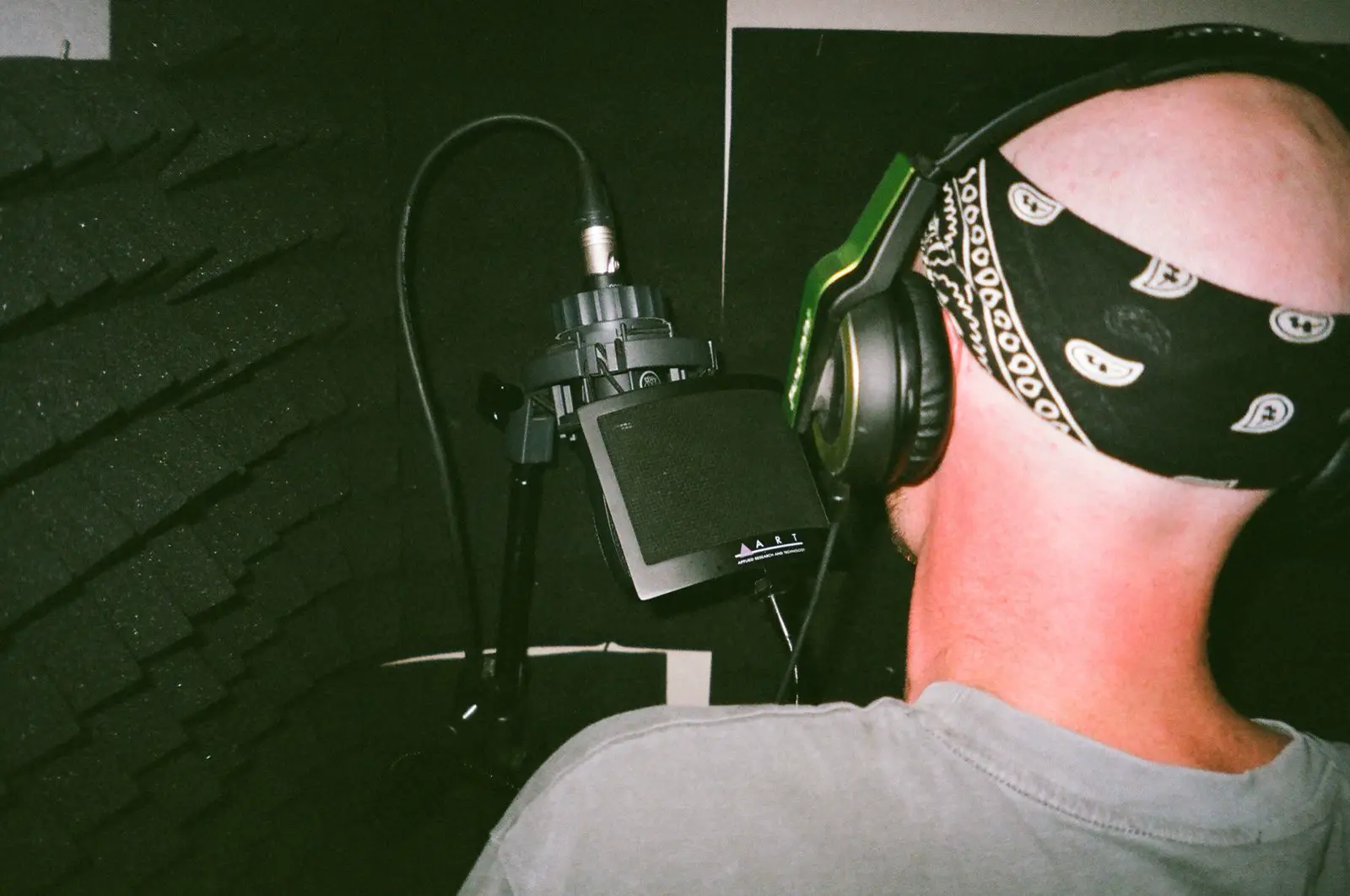
A singer in headphones seen from behind, recording vocals at a microphone in a padded booth
A musician in a beanie and studio headphones, listening closely to a mix
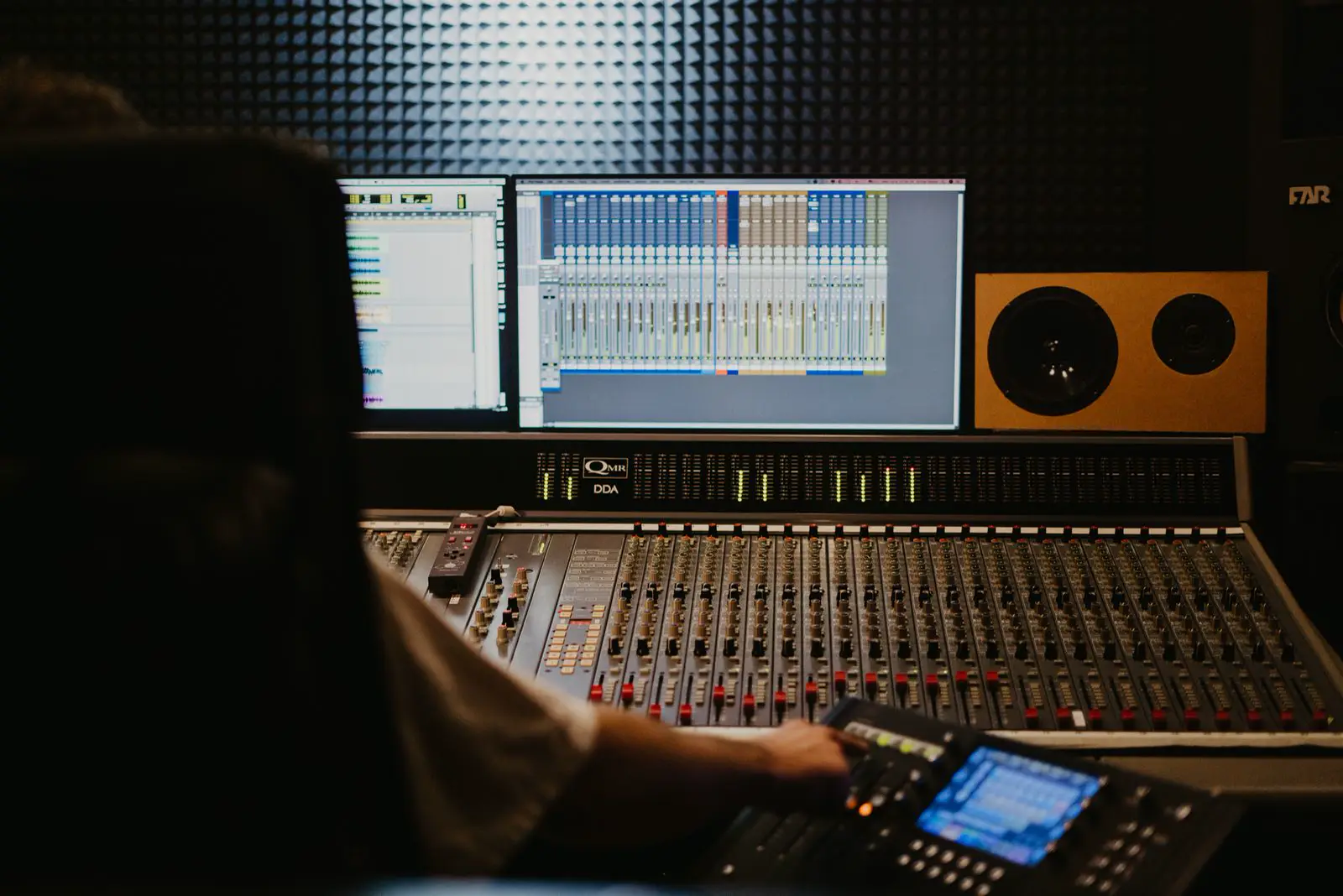
A sound engineer at a mixing console with screens showing audio tracks

How the vocal remover works

A song arrives as one mixed recording: the singer, the drums, the bass and every other instrument are added together into the same two channels. The vocal remover uses HTDemucs, an open-source model from Meta's AI research team, trained on thousands of songs where each part was recorded separately. It listens to your song in short overlapping pieces and predicts what each part sounded like on its own: vocals, drums, bass and everything else. Adding the three instrumental parts back together gives you the song without the voice.

Older "karaoke" tricks cancel whatever sits in the centre of a stereo mix. That removes the bass and kick drum along with the voice and does nothing for mono files. A trained model tells the parts apart by how they sound, so the bass stays and mono recordings work too.

The vocal remover runs on your device

Most vocal removers upload your song to a server and send the parts back. Here the model itself comes to you: the first time you use it, your browser downloads it once (180 MB) and keeps it. Your song is decoded, separated and saved on your own computer or phone. There is no account and no queue, and no copy of your file exists anywhere else.

Tips for a cleaner instrumental

  • Start from the best copy you have. A WAV, FLAC or 320 kbps MP3 separates more cleanly than a low-bitrate file pulled from a video.
  • Try 30 seconds first. Pick a loud chorus: if that part sounds clean, the rest will too.
  • Expect traces in some songs. Heavy reverb, doubled backing vocals and choirs can stay partly with the music. Live recordings with crowd noise separate less cleanly than studio mixes.

Uses for the vocal remover

Singers make backing tracks to practise or perform over. Teachers prepare karaoke versions for class. Producers pull an acapella for a remix of their own song or hear how a mix is built. Musicians who want a different part can use the stem splitter, the drum remover or the bass remover, which run the same model.

Frequently asked questions

Is my song uploaded when I remove the vocals?
No. The song is decoded, separated and saved by your own browser. The only thing that travels over the network is the model, once (180 MB from Hugging Face); after that you can remove vocals from as many songs as you like without anything leaving your computer.
How long does a whole song take?
It depends on your computer, so the page measures it for you: after the first few seconds of the song are done, the progress line shows the time left. Computers with a recent graphics card are much faster than older laptops and phones.
Why can I still hear the singer faintly?
Some of the voice shares frequencies with guitars and cymbals, and reverb on the voice spreads into the rest of the mix. The model removes most of it; what remains is usually a soft trace in the loudest passages. A better-quality source file gives a cleaner instrumental.
What do I get back?
Two files: the instrumental (drums, bass and every other instrument together) and the vocals alone. Both are stereo, 44.1 kHz, as MP3 at 256 kbps or as lossless WAV.
Can I use a video file?
Yes. The audio of the video is separated and you get audio files back. To keep the video itself and only remove its music, use Remove music from video.
Can I upload the instrumental to YouTube or Spotify?
Only with permission from whoever owns the song. The instrumental is still the original recording with one part removed, so platforms treat it as the original. For practice, karaoke at home and study, no upload is involved.